

Database Migration Without Downtime Ensure Seamless Business Operations During Data Transitions
Database Migration Without Downtime has become a critical requirement for modern businesses that depend on uninterrupted digital services. Whether organizations are upgrading legacy databases, moving to cloud infrastructure, or improving application performance, downtime can lead to lost revenue, reduced productivity, and poor customer experiences. A carefully planned migration strategy ensures systems remain available while data is transferred securely and efficiently.
As enterprises continue to adopt cloud-native architectures and scalable database solutions, Database Migration Without Downtime enables organizations to modernize infrastructure without disrupting daily operations.
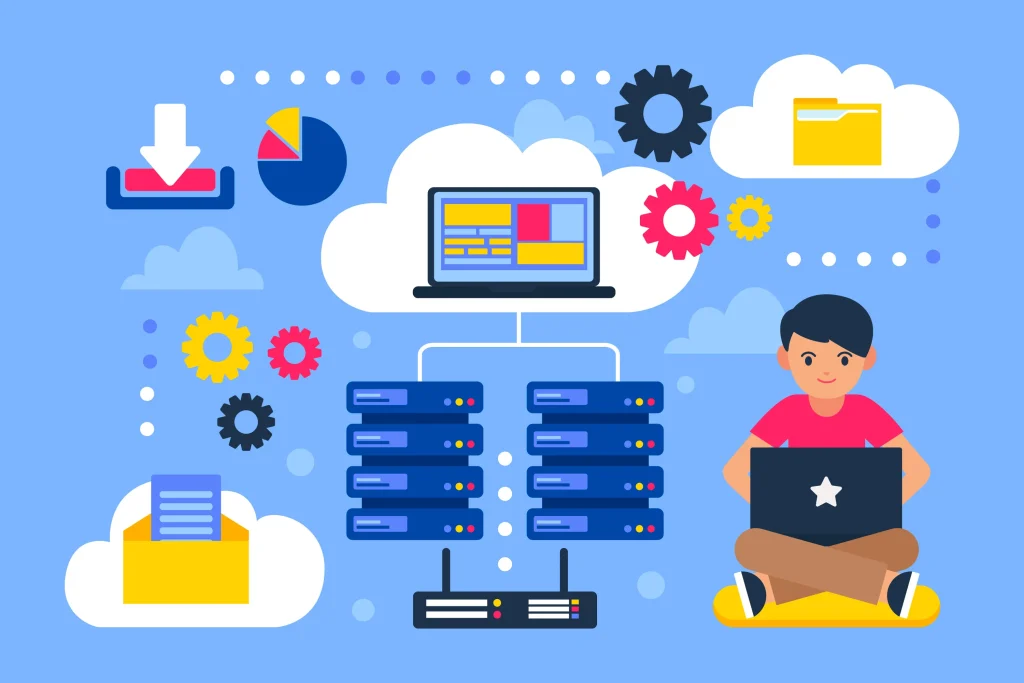
Why Database Migration Without Downtime Is Essential for Modern Businesses
Database Migration Without Downtime allows organizations to modernize infrastructure while maintaining uninterrupted access to critical applications and services. This approach minimizes business risks and ensures customers continue receiving reliable experiences throughout the migration proc
Businesses increasingly rely on continuous digital availability. Even brief service interruptions can affect customer trust, operational efficiency, and revenue generation. Implementing a downtime-free migration strategy helps organizations avoid these challenges while accelerating digital transformation initiatives.
Continuous Service Availability
Keeps applications accessible throughout migration, preventing interruptions for users globally.
Improved Customer Experience
Maintains consistent performance and reliability during critical infrastructure upgrades seamlessly.
Reduced Business Risk
Minimizes operational disruptions and protects revenue streams during database transitions.
Faster Modernization Projects
Accelerates cloud adoption and infrastructure upgrades without affecting daily operations.
How Database Migration Without Downtime Works
Database Migration Without Downtime relies on advanced replication and synchronization techniques to keep source and target databases aligned throughout the migration process. Instead of shutting down systems, organizations create parallel environments where data changes are continuously replicated between databases. Real-time data synchronization ensures that new transactions, updates, and records remain consistent across both environments. Once the target database is fully validated and synchronized, traffic can be redirected with minimal impact on users.
Modern migration frameworks also incorporate automated testing, monitoring, and rollback mechanisms. These capabilities help organizations identify issues before they affect production environments, ensuring data integrity and business continuity during the transition.
Core Components of a Successful Database Migration Without Downtime
A successful Database Migration Without Downtime requires strategic planning, robust infrastructure, and continuous monitoring. Organizations must evaluate database dependencies, application integrations, and performance requirements before initiating the migration process.
Comprehensive Migration Planning
Detailed assessment of infrastructure, dependencies, workloads, and business requirements ensures a structured migration strategy that minimizes risks and prevents unexpected disruptions.
Real-Time Data Replication
Continuous synchronization between source and target databases guarantees data consistency while allowing applications to remain fully operational during migration activities.
Automated Validation Testing
Automated verification processes identify discrepancies, validate records, and ensure complete accuracy before directing production traffic to new environments.
Best Practices for Database Migration Without Downtime
Perform Detailed Infrastructure Assessments
Analyze database architecture, dependencies, integrations, and workloads before migration to identify potential risks and establish effective migration strategies.
Implement Continuous Data Replication
Use replication technologies that synchronize source and target databases in real time, ensuring consistent data availability throughout migration activities.
Conduct Extensive Testing Before Cutover
Validate application performance, database integrity, security controls, and transaction processing to eliminate issues before production deployment.
Establish Rollback Procedures
Create reliable recovery plans allowing teams to restore previous environments quickly if unexpected migration challenges occur during deployment.
Monitor Performance Continuously
Track latency, throughput, replication health, and system utilization throughout migration to ensure optimal performance and immediate issue detection.
Automate Migration Workflows
Leverage automation tools for synchronization, validation, monitoring, and deployment processes to improve efficiency and reduce human errors.
Frequently Asked Questions
It prevents service interruptions, protects customer experiences, reduces revenue loss, and supports business continuity during infrastructure upgrades.
E-commerce, gaming, finance, healthcare, SaaS platforms, and enterprise applications benefit significantly from uninterrupted database migrations.
Organizations use replication tools, cloud migration services, change data capture technologies, automated testing frameworks, and monitoring platforms.