

Deploy Node.js Apps with Auto Scaling for Maximum Performance
Modern businesses require applications that can handle unpredictable traffic spikes without affecting user experience. When you deploy Node.js apps with auto scaling, your infrastructure automatically adjusts resources based on demand, ensuring consistent performance, reduced downtime, and optimized cloud costs.
Organizations across startups, SaaS platforms, eCommerce businesses, and enterprise applications rely on auto scaling to maintain availability during peak traffic periods. A properly configured Node.js deployment strategy helps improve scalability, reliability, security, and operational efficiency while supporting long-term business growth
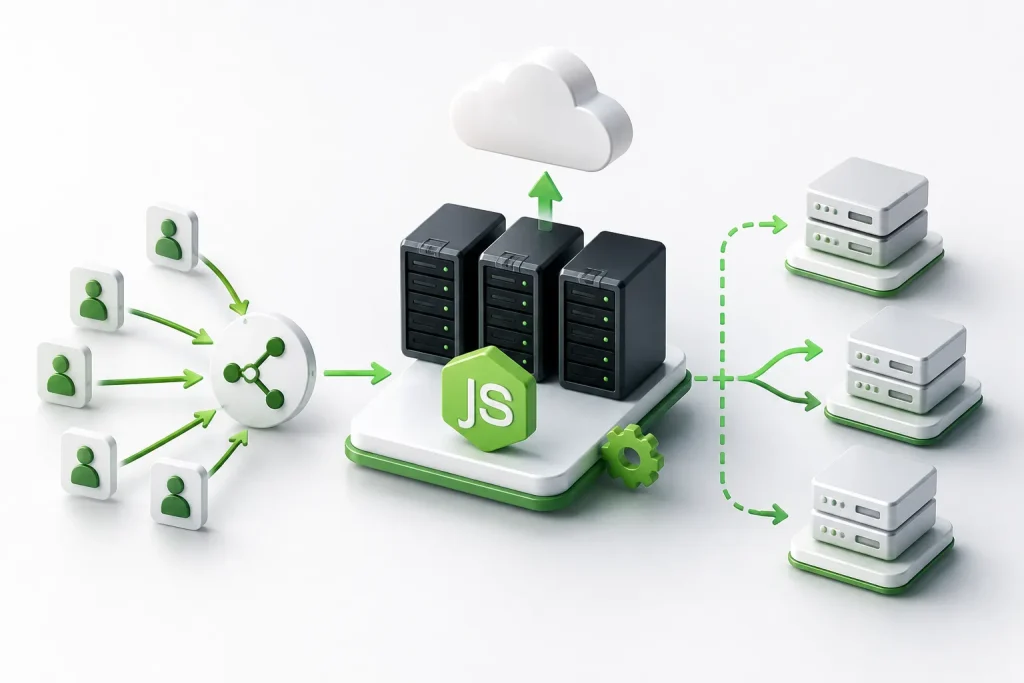
Why Deploy Node.js Apps with Auto Scaling?
Deploy Node.js apps with auto scaling provides the flexibility required to manage fluctuating workloads without manual intervention. Cloud platforms automatically add or remove server instances based on CPU usage, memory consumption, network traffic, and application demand.
Auto scaling ensures that users experience fast response times even during sudden traffic surges. Businesses no longer need to overprovision infrastructure, reducing operational costs while maintaining high availability. Organizations implementing auto scaling benefit from better resource utilization, improved fault tolerance, and seamless application growth. This approach enables development teams to focus on innovation instead of infrastructure management.
Traffic Spike Protection
Automatically handles traffic spikes without affecting application performance.
Cost-Efficient Scaling
Reduces infrastructure costs through intelligent resource allocation mechanisms.
High Availability
Improves application availability during peak business activity periods.
Global Performance Optimization
Enhances user experience with consistent response times globally.
Best Practices to Deploy Node.js Apps with Auto Scaling
Deploying scalable Node.js applications requires more than simply launching servers. A successful strategy combines containerization, orchestration, monitoring, and continuous deployment pipelines to create a resilient cloud environment. Container technologies such as Docker help package applications consistently across environments. Combined with orchestration platforms like Kubernetes, organizations can automate deployment, scaling, and management of application workloads efficiently.
Monitoring and observability are equally important. Real-time insights into application health, resource consumption, and traffic patterns allow businesses to optimize scaling policies and prevent performance bottlenecks before they impact users. Security should also be integrated throughout the deployment process. Automated updates, secure network configurations, encrypted communication channels, and role-based access controls strengthen overall infrastructure protection while supporting scalability goals.
Essential Components for Deploy Node.js Apps with Auto Scaling
A successful auto scaling architecture requires several key technologies working together to ensure application stability and performance.
Load Balancers
Distribute incoming traffic evenly across multiple Node.js instances, preventing server overload and ensuring continuous application availability during sudden traffic increases.
Container Orchestration Platforms
Automate deployment, scaling, resource allocation, and workload management while maintaining application consistency across development, staging, and production environments.
Monitoring and Alerting Systems
Track CPU utilization, memory consumption, request latency, and application health metrics to trigger scaling actions and proactive issue resolution.
Advantages of Modern Node.js Auto Scaling Solutions
Dynamic Resource Optimization
Automatically adjusts computing resources based on real-time demand, ensuring applications receive adequate capacity without unnecessary infrastructure expenses during low-traffic periods.
High Availability Architecture
Distributes workloads across multiple instances and availability zones, reducing service disruptions while maintaining continuous access for end users worldwide.
Faster Deployment Cycles
Supports automated CI/CD pipelines that streamline application releases, minimize deployment risks, and accelerate delivery of new features and updates.
Improved Disaster Recovery
Redundant infrastructure and automated failover mechanisms enhance resilience, helping organizations recover quickly from unexpected outages or infrastructure failures.
Better User Experience
Consistent application performance, faster response times, and reduced latency contribute to higher customer satisfaction and improved user engagement metrics.
Scalable Business Growth
Provides the flexibility required to support expanding user bases, increasing transaction volumes, and evolving business requirements without significant infrastructure redesign.
Frequently Asked Questions
While not mandatory, Kubernetes simplifies container orchestration, workload management, and automatic scaling for large-scale deployments.
It allocates resources only when needed, preventing unnecessary spending on idle infrastructure while maintaining application performance.
Yes. Auto scaling automatically provisions additional instances during traffic spikes and replaces unhealthy instances to maintain availability.