

Server Load Balancing for Businesses
Modern businesses need fast, secure, and always-available applications. Server Load Balancing for Businesses helps distribute incoming traffic across multiple servers, improving performance, reducing downtime, and ensuring seamless user experiences during high traffic periods
Reliable load balancing solutions help companies scale applications, optimize server resources, and maintain
business continuity without performance bottlenecks.
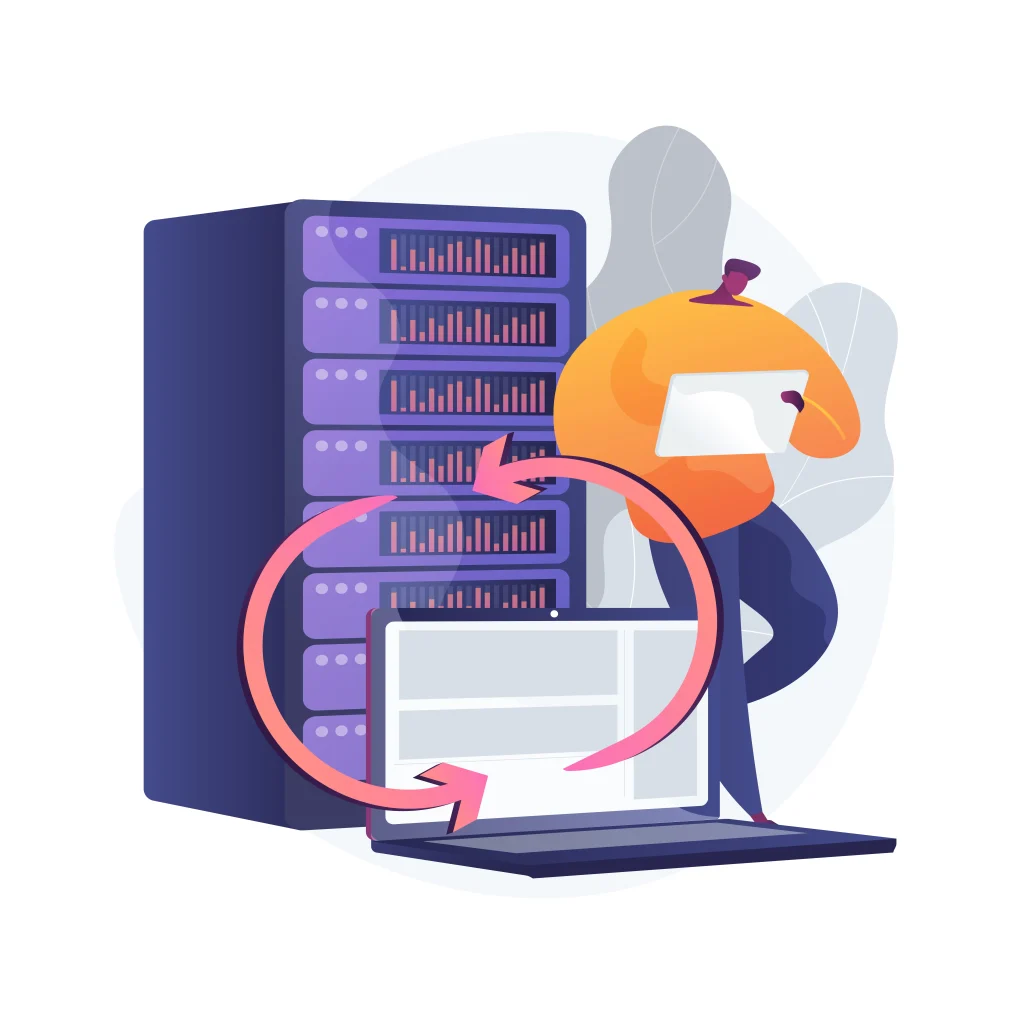
Why Server Load Balancing Is Essential for Modern Businesses
As digital platforms continue to grow, businesses rely heavily on websites, cloud applications, APIs, and online services to deliver seamless customer experiences. However, depending on a single server can create major performance issues when traffic spikes unexpectedly. Slow loading speeds, application downtime, and server crashes can directly impact customer trust, sales, and operational efficiency.
Server Load Balancing for Businesses helps distribute incoming traffic across multiple servers to maintain high performance and reliability. By intelligently managing traffic flow, businesses can reduce downtime, improve scalability, enhance website speed, and ensure applications
Website Performance
Distributes traffic evenly to maintain fast loading speeds and smooth user experiences.
Reduced Downtime
Prevents server overload and keeps applications running during high traffic periods.
Better Scalability
Allows businesses to handle increasing users and data without infrastructure issues.
Enhanced User Experience
Ensures stable access to websites and applications, improving customer satisfaction.
How Server Load Balancing Improves Business Continuity
Server load balancing plays a critical role in maintaining business continuity by ensuring applications remain available even during unexpected traffic spikes or server failures. Businesses can avoid costly downtime and provide uninterrupted services to customers. Modern load balancing solutions also improve infrastructure flexibility by supporting cloud environments, hybrid systems, and scalable hosting architectures. This allows organizations to expand digital operations without affecting application performance or stability.
By optimizing traffic distribution and server utilization, businesses achieve better operational efficiency, stronger security, and improved user experiences. A reliable load balancing strategy helps companies build scalable and future-ready IT infrastructure.
Server Load Balancing for Businesses Across Industries
Modern industries rely on fast, secure, and highly available digital platforms to support daily operations and customer engagement. Server load balancing helps businesses maintain application stability, reduce downtime, and manage growing traffic efficiently across different sectors.
E-Commerce & Online Retail
E-commerce businesses use load balancing to handle heavy traffic during sales campaigns, ensuring fast website performance, secure transactions, and uninterrupted customer shopping experiences online.
SaaS & Enterprise Applications
SaaS providers and enterprises rely on load balancing for stable application performance, secure internal systems, efficient data processing, and seamless user accessibility across platforms.
Media & Streaming Platforms
Streaming services require efficient traffic distribution to deliver uninterrupted video, audio, and digital content experiences while maintaining high-speed performance for global audiences.
Key Benefits of Server Load Balancing for Businesses
Improved Website Performance
Load balancers distribute traffic across multiple servers, reducing server workload and improving website speed, response times, and overall application performance for users.
Higher Application Uptime
When one server fails, traffic automatically shifts to active servers, minimizing downtime and ensuring uninterrupted business operations, application availability, and customer access.
Better User Experience
Fast-loading websites and stable applications improve customer satisfaction, increase engagement, reduce bounce rates, and create smoother digital experiences for online business users.
Enhanced Security
Advanced load balancing solutions help filter malicious traffic, reduce DDoS attack risks, and protect business applications from sudden traffic spikes or threats.
Scalability for Growing Businesses
Businesses can easily add servers and expand infrastructure capacity without affecting application performance, ensuring seamless scalability as traffic and customer demands increase.
Efficient Resource Utilization
Server load balancing optimizes infrastructure resources effectively, reducing hardware stress, improving operational efficiency, lowering maintenance costs, and maximizing server performance stability.
Frequently Asked Questions
Server load balancing distributes traffic across multiple servers to improve website speed, uptime, and application
performance.
It prevents server overload, improves scalability, reduces downtime, and enhances user experience.
Yes. Faster website speed and better uptime positively impact search engine rankings and user engagement.