

Event Driven Application Hosting for Scalable Modern Applications
Event Driven Application Hosting provides the infrastructure needed to run applications that respond automatically to events such as API requests, database changes, user actions, file uploads, messages, and scheduled tasks. Instead of continuously running every application component, event-driven systems activate specific services when an event occurs.
Modern businesses use event-driven architectures to improve application scalability, responsiveness, automation, and resource efficiency. With the right hosting environment, developers can build applications that process events in real time while reducing unnecessary infrastructure overhead.
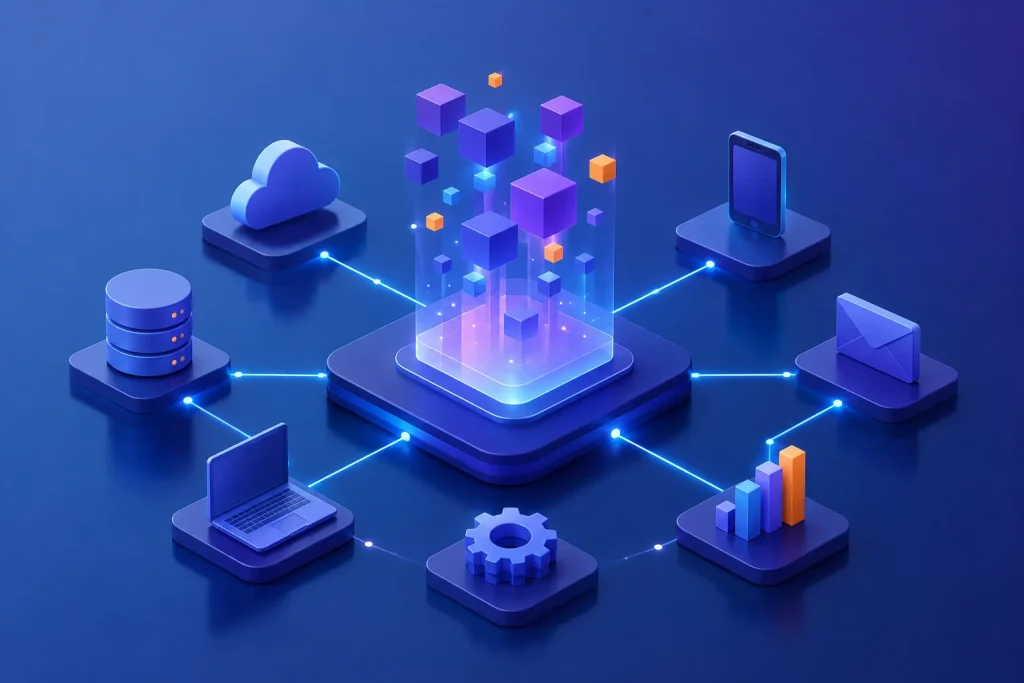
Event Driven Application Hosting for Modern Cloud Applications
Event-driven applications are becoming increasingly important as businesses move toward cloud-native development, real-time processing, automation, and distributed systems. Event Driven Application Hosting allows applications to respond to events as they happen, helping organizations create faster and more flexible digital experiences.
Instead of depending on a single application process that continuously handles every task, an event-driven application can separate workloads into individual services. Each service performs a specific operation when a particular event occurs. This approach can improve scalability and make application infrastructure easier to manage.
Automatic Event Processing
Applications can automatically respond to API requests, transactions, notifications, database updates, and other events.
Flexible Cloud Scaling
Infrastructure can scale according to workload requirements, helping applications handle sudden increases in traffic.
Reduced Infrastructure Waste
Event-based workloads can use computing resources when processing is required instead of continuously running unnecessary processes.
Faster Application Responses
Event-driven workflows allow individual services to process tasks independently, supporting responsive digital applications.
How Event Driven Application Hosting Works
Event Driven Application Hosting connects application components through events, messages, triggers, queues, and cloud services. When an event occurs, the hosting infrastructure identifies the appropriate function or service and starts the required processing. For example, an ecommerce application may generate an event when a customer completes an order. That event can trigger several independent processes, such as payment verification, inventory updates, email notifications, invoice generation, and delivery processing.
This architecture separates individual workloads, allowing each component to operate independently. Developers can therefore update, scale, monitor, or troubleshoot specific services without necessarily changing the entire application. Event-driven hosting can also integrate with APIs, databases, message brokers, cloud functions, containers, and serverless computing environments. This makes it suitable for applications that require flexible infrastructure and automated processing.
Key Benefits of Event Driven Application Hosting
Event-driven hosting provides several advantages for businesses developing modern web, mobile, SaaS, and enterprise applications.
Automatic Scalability
Application components can scale according to incoming events, helping infrastructure manage traffic spikes without manually increasing server capacity.
Improved Application Performance
Independent services can process different workloads simultaneously, reducing dependencies between application components and improving overall responsiveness.
Better Resource Utilization
Computing resources can focus on active workloads, helping organizations avoid maintaining continuously running infrastructure for occasional processing tasks.
Use Cases for Event Driven Application Hosting
Ecommerce Applications
Process orders, payments, inventory updates, customer notifications, invoices, and delivery workflows through independent event-driven services.
Financial Applications
Handle transaction events, payment processing, fraud monitoring, account updates, and real-time notifications across distributed application components.
SaaS Platforms
Trigger background processing, subscription updates, user notifications, analytics, and automated workflows when customers interact with the platform.
IoT Applications
Process device-generated events, sensor data, alerts, monitoring information, and automated actions across connected devices.
Real-Time Applications
Support chat systems, dashboards, notification platforms, tracking applications, and other services requiring rapid event processing.
Business Automation
Automate repetitive workflows by triggering specific processes when forms are submitted, records change, files are uploaded, or scheduled events occur.
Frequently Asked Questions
Yes. It can help startups build scalable applications that automatically handle changing workloads while allowing development teams to use flexible cloud infrastructure.
Yes. Event-driven architectures can distribute workloads across independent services and scale processing resources according to incoming events and application demand.
Common technologies include serverless functions, containers, APIs, message queues, event buses, databases, microservices, cloud platforms, and monitoring services.