

Heroku Alternatives in 2026 Find the Right Platform for Your Apps
Heroku alternatives are worth exploring if you need more control over infrastructure, flexible pricing, modern deployment workflows, or hosting options that better match your application requirements. While Heroku remains a familiar platform for deploying web applications, developers and businesses may benefit from comparing other cloud hosting providers before choosing a long-term solution.
The right platform depends on your technology stack, traffic expectations, database requirements, scaling needs, and budget. In this guide, we compare popular hosting options, explain the features that matter most, and help you evaluate a suitable platform for your next project in 2026.
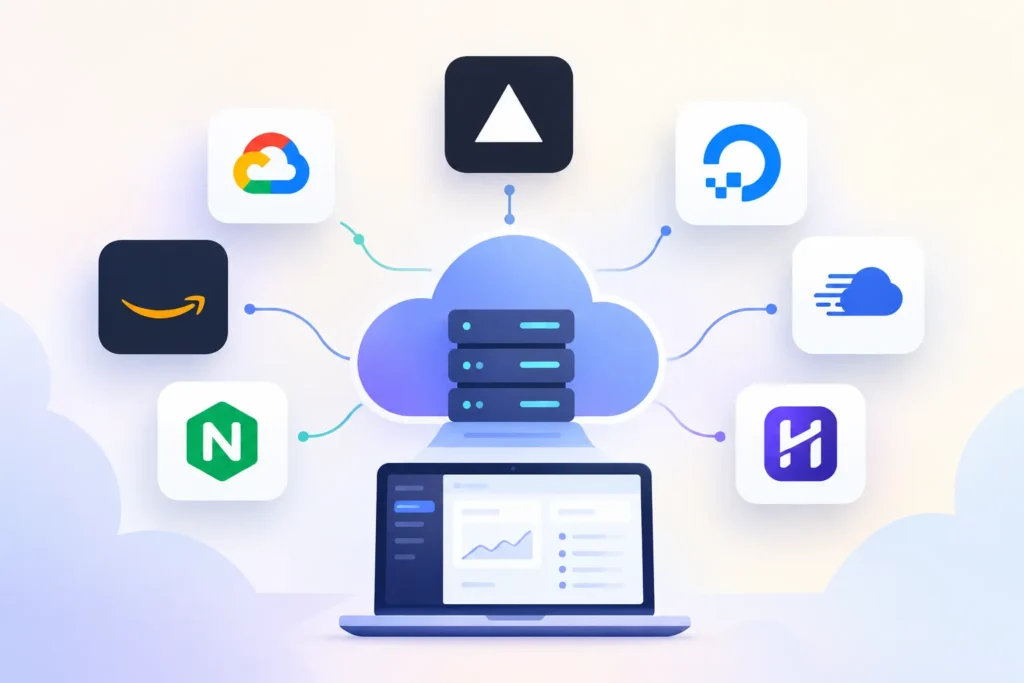
Essential Features to Compare Before Choosing a Hosting Platform
Choosing between cloud hosting providers requires more than comparing monthly prices. You should understand how each service handles deployments, application availability, resource allocation, data storage, and ongoing maintenance.
When evaluating Heroku alternatives, focus on the capabilities your application actually needs today and the flexibility required as your project grows. A suitable platform should simplify development without introducing unnecessary operational complexity.
Pricing and Resource Limits
Compare compute costs, included resources, bandwidth allowances, database charges, and unexpected usage fees before committing to a hosting provider.
Deployment and Developer Experience
Look for Git-based deployments, build automation, environment variables, deployment previews, and straightforward workflows that reduce repetitive development tasks.
Scaling and Performance
Evaluate available CPU and memory, horizontal scaling options, regional availability, traffic handling, and performance monitoring capabilities.
Security and Data Management
Check HTTPS support, access controls, secret management, database backups, persistent storage, and recovery options for your production workloads.
Best Heroku Alternatives to Consider in 2026
The best Heroku alternatives depend on whether you want a fully managed application platform, usage-based container hosting, frontend-focused deployment, or greater control over your infrastructure. Each provider offers a different balance of simplicity, flexibility, and operational responsibility. Render is worth comparing if you want a straightforward platform for web services, background workers, and managed databases. Railway is a strong option for developers who prefer a streamlined deployment workflow and usage-based resource billing
DigitalOcean App Platform offers managed application hosting with container-based deployment and published resource pricing. Fly.io is useful for containerized applications that benefit from regional deployment flexibility, while Vercel is particularly relevant to frontend projects and supported frameworks.
Compare Hosting Platforms Before You Decide
Not every hosting provider is designed for the same workload. Compare the deployment model, infrastructure management, and expected operating costs before moving a live application.
Render
Consider it for conventional web applications, background workers, and managed PostgreSQL hosting with a relatively familiar deployment experience.
Railway
Evaluate it for quick project setup, Git-based workflows, and usage-based billing that varies with your application’s resource consumption.
DigitalOcean App Platform
Consider it when managed hosting, published instance prices, and integration with the DigitalOcean ecosystem are priorities.
Six Factors to Evaluate Before Switching from Heroku
Total monthly cost
Estimate compute, database, storage, bandwidth, backups, and team charges using your expected workload instead of comparing entry-level prices alone.
Application compatibility
Confirm that the platform supports your programming language, framework, build process, background workers, scheduled tasks, and required system dependencies.
Database migration
Review database compatibility, export and import procedures, connection limits, backup policies, and acceptable downtime before transferring production data.
Deployment automation
Check whether Git integration, build pipelines, environment-specific configuration, release history, and rollback capabilities fit your existing development workflow.
Reliability and scaling
Compare health checks, availability commitments, scaling controls, monitoring, regional choices, and recovery options against your application’s operational requirements.
Security and ownership
Review access permissions, secret storage, encryption, data location, compliance needs, support arrangements, and how easily you can export data or leave the provider.
Frequently Asked Questions
Render and Railway are worth evaluating for developers who want straightforward deployment workflows. Compare their current plans, supported runtimes, documentation, and database options against your particular application
Some providers offer free tiers or limited free resources, often with restrictions. DigitalOcean App Platform, for example, lists free hosting for static sites; running backend services may require paid resources. Always review current usage limits
Render, Railway, DigitalOcean App Platform, Fly.io, and major cloud platforms can suit production workloads. Choose based on reliability requirements, scaling, observability, security controls, support, and total operating costs.